Why Regular Oil Changes Matter: Protecting Your Kia in the Las Vegas Heat
Engine oil is easily the most affordable insurance policy you can buy for your car. It keeps moving parts gliding smoothly, pulls damaging heat away from the engine, and sweeps away dirty buildup before it can cause trouble. Pushing off an oil change is one of the easiest ways to turn a small chore into an expensive headache down the road.
If you drive in Las Vegas, the stakes are even higher. Between triple-digit summer heat and the endless stop-and-go traffic on I-15, the 215, and the Strip, our local conditions push your engine oil to its limits. Here at Jim Marsh Kia, we believe in giving you straightforward advice so you can make the best choices for your car and your budget.
Here is a quick look at how engine oil protects your Kia, why desert driving requires a little extra care, and how to stay ahead of costly repairs.

What Engine Oil Is Actually Doing Under the Hood
Oil does a lot more than just lubricate metal. While you drive, it handles four critical jobs all at once:
- Slashes Friction: A microscopic film of oil keeps precision metal components from grinding against each other, preventing early wear on pistons, bearings, and camshafts.
- Beats the Heat: Coolant can’t reach every corner of your engine. Oil steps in to absorb that trapped heat and carry it away—a lifesaver when you're stuck on hot asphalt.
- Cleans as It Flows: Detergent additives actively capture dirt, soot, and tiny metal particles, carrying them straight to the oil filter so they can’t scratch up your engine interior.
- Fights Off Corrosion: Built-in safeguards protect sensitive metal parts from the harmful moisture and acids that naturally form during combustion.
Over time, that heat breaks the oil down and dilutes those protective additives. Once oil degrades, it simply can’t shield your engine the way it used to.
The Real Cost of Skipping an Oil Change
As old oil breaks down, it thickens into a heavy, tar-like sludge. Sludge chokes off vital oil passages, effectively starving your engine of the lubrication it needs to survive.
Delaying your oil service leads to a domino effect of issues:
- Poorer Gas Mileage: Added friction forces your engine to work harder, burning through more fuel on your daily commute.
- Accelerated Engine Wear: Scored cylinders and worn bearings are notoriously expensive fix-it jobs that could have been avoided.
- Overheating Risk: Degraded oil loses its ability to transfer heat, making summer breakdowns far more likely.
- Lost Resale Value: Buyers pay more for a car with a clean, documented maintenance history.
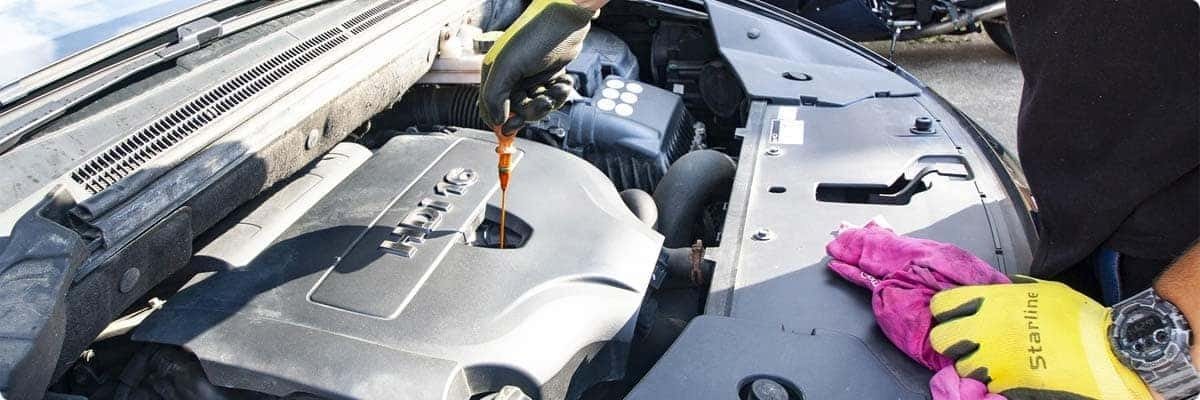
How Often Does Your Kia Really Need Fresh Oil?
The standard "3,000-mile rule" is pretty outdated. Modern engines and high-tech synthetic oils last much longer, but your ideal schedule really comes down to your car, your engine type, and your driving habits.
Your owner’s manual is always the best place to start. It outlines the exact oil type, viscosity, and mileage intervals for your specific model. However, auto manufacturers also include a "severe conditions" schedule for cars driven in tougher environments. Everyday driving in Las Vegas checks almost every box on that list:
- Extreme Temperature Extremes: High heat breaks down oil structure rapidly.
- Short Trip Commuting: Quick trips don't give your engine enough time to reach full temp, letting condensation and fuel residue build up in the oil.
- Heavy Traffic & Long Idling: Sitting in traffic puts continuous stress on static engine parts.
- Dust & Fine Sand: Desert dust finds its way into air filters faster than you'd think.
- Towing or Carrying Heavy Loads: Extra weight means your engine works significantly harder and runs hotter.
If any of these sound like your daily drive, it’s worth chatting with our service team about shifting to a slightly tighter interval.
Why Oil Quality and Filters Matter More Than You Think
Not all motor oils are created equal. Using the exact viscosity and specs your manufacturer outlines ensures easy starts, optimal performance, and solid protection across extreme temperature swings. Full synthetic oil offers far better thermal resistance than conventional options, making it a huge asset in the Nevada heat.
If your Kia features a turbocharged engine, oil care is even more vital. Turbos generate immense heat, meaning clean, high-grade oil is non-negotiable for keeping them healthy.
Don't forget the oil filter, either. A cheap or clogged filter can’t trap contaminants, letting dirt cycle right back through your engine. Replacing it every single time you change your oil guarantees clean circulation.
What to Expect During Service at Jim Marsh Kia
An oil change shouldn't just be a quick drain-and-fill—it’s an opportunity to catch small issues before they leave you stranded. When you visit our service center, we take a thorough approach:
- Fresh Oil & Premium Filter: Replaced strictly to your vehicle’s factory specifications.
- Essential Fluid Top-Offs: We check and top off your brake, coolant, transmission, and washer fluids.
- Tire Health Inspection: We check tread depth, pressure, and wear patterns—crucial safety checks when driving on baking pavement.
- Battery & Brake Check: Extreme heat is notoriously tough on car batteries; catching a failing battery early prevents surprise no-start mornings.
- Digital Maintenance Records: We document every service to keep your factory warranty intact and boost your vehicle's future resale value.