Kia Electric Vehicles in Las Vegas: Keeping Your EV Running Smoothly for the Long Haul
Kia’s electric line—including the EV6, EV9, and Niro EV—has grabbed plenty of attention, and it’s easy to see why. Drivers love getting plenty of tech, space, and comfort without paying gas station prices. Plus, with no engine oil, spark plugs, or exhaust components to worry about, routine service appointments get a whole lot simpler.
Fewer moving parts doesn’t mean zero maintenance, though. Here at Jim Marsh Kia, new EV owners often ask us the same few questions: What maintenance does my car actually need, how often should I bring it in, and does the Las Vegas heat change anything?
Here is a straightforward guide to keeping your Kia EV safe, efficient, and running strong in the desert.
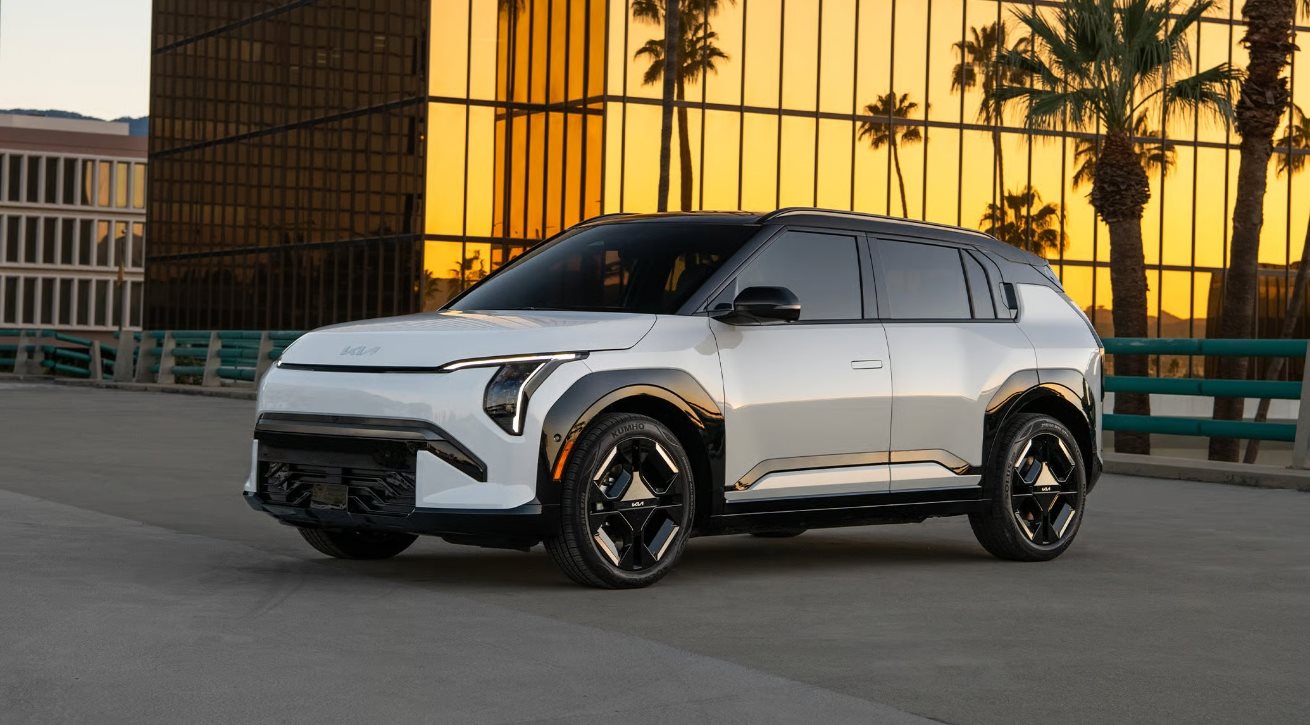
Why Kia EVs Are So Easy to Live With
Because there’s no internal combustion engine, your service schedule is much lighter than that of a standard gas car. For instance, Kia recommends service intervals for the Niro EV every 8,000 miles or 12 months—well below the typical cadence for oil, filter, and fluid updates on gas vehicles.
On top of low upkeep, Kia backs its high-voltage EV batteries with a 10-year or 100,000-mile limited warranty (whichever comes first). Specific terms can vary slightly by model year or for second owners, so it’s always a good idea to check your Warranty and Consumer Information Manual for your exact VIN.
Routine Service: What Your EV Actually Needs
Since you won’t be coming in for oil changes, service visits focus primarily on components that experience everyday wear and tear. Your owner’s manual outlines the exact schedule, but you can expect us to focus on a few key areas:
- Tire Rotation and Inspection: EVs carry extra weight from the battery pack and deliver instant torque off the line. That can wear through tread faster, so regular rotations are crucial for even wear and max driving range.
- Brake Inspection and Fluid Checks: Thanks to regenerative braking, your physical brake pads and rotors last significantly longer than usual. However, brake fluid still degrades over time and needs routine checks.
- Cabin Air Filter Changes: The desert air brings plenty of dust and fine particles, so swapping your cabin filter on time keeps the air inside your car fresh.
- Battery Coolant System Checks: Your EV relies on a liquid cooling system to keep battery temperatures stable. We inspect fluid levels and system health during routine maintenance.
- Wiper Blades and Washer Fluid: Intensely sunny weather degrades wiper rubber fast. It’s best to check them regularly so you aren't caught off guard during sudden downpours.
- 12-Volt Auxiliary Battery: Just like a gas car, your Kia EV uses a standard 12V battery to power accessories, lights, and onboard electronics. We can run a quick diagnostic test on it while your car is in the bay.
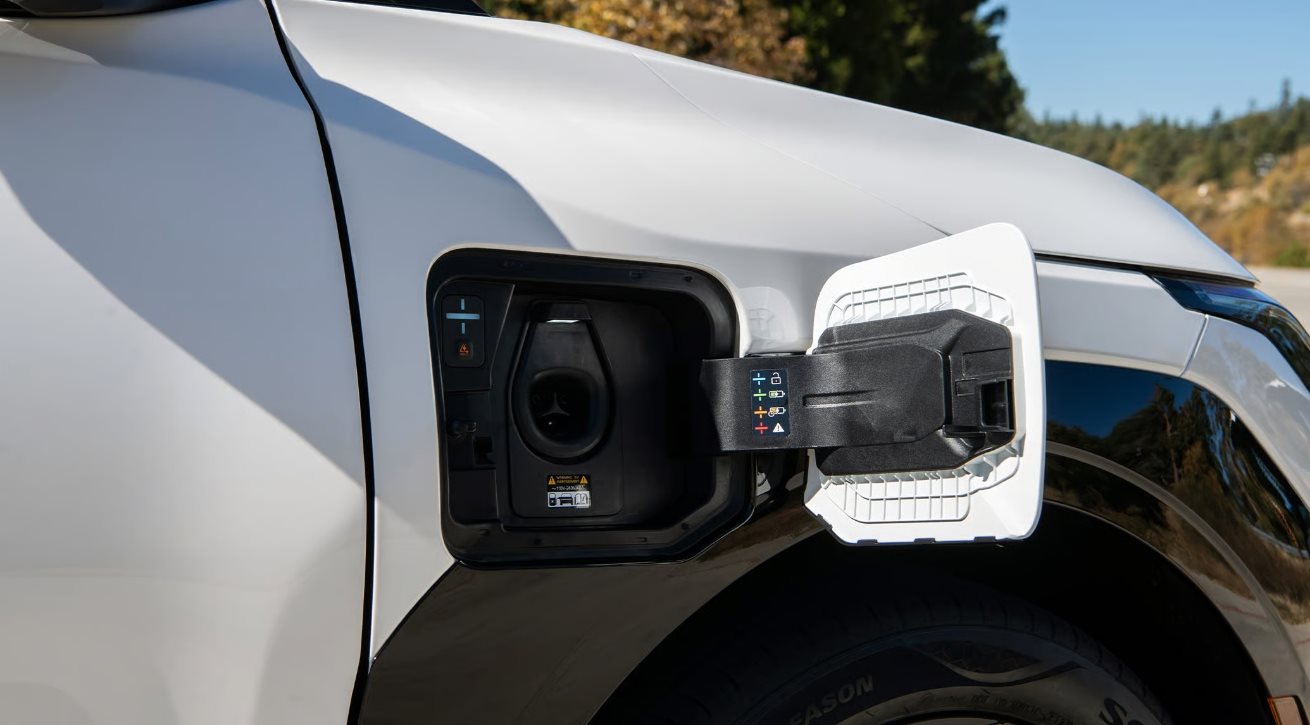
Protecting Your Battery in the Las Vegas Heat
The high-voltage battery pack is the heart of your EV, and a few smart habits go a long way—especially during our scorching summer months.
- Park in the Shade or Garage: Keeping your car out of direct sunlight reduces the workload on the battery’s active cooling system.
- Precondition While Plugged In: Use your Kia to cool the cabin before heading out while the car is still connected to the charger. That way, you cool the interior using grid power rather than draining your battery range.
- Avoid Extreme Charge Levels: For day-to-day driving, try to keep your charge level between 20% and 80%. Save 100% full charges for longer road trips.
- Rely on Home Charging: Using a Level 2 home charger for daily top-offs is gentler on the battery and usually cheaper than relying heavily on DC fast chargers.
- Keep System Software Updated: Kia regularly releases software updates that improve efficiency and system performance. Ask your technician to check for updates during your visit.
Keeping Up with Wear and Tear
Tires are generally the biggest recurring expense for EV drivers, so checking your tire pressure monthly is well worth the effort. Dramatic temperature swings between summer afternoons and cooler winter mornings cause pressure to fluctuate, directly impacting range and tire life.
Also, because regenerative braking does most of the heavy lifting, friction brakes don't get used as often, which can occasionally allow surface corrosion to build up. Having them inspected regularly ensures everything works smoothly when you do need to stop quickly.
Tools That Help You Stay Track
Staying on top of service is easy with Kia Connect. The mobile app lets you check your charge status, turn on climate control remotely, and monitor vehicle health directly from your phone. That, combined with onboard dashboard alerts, helps you stay ahead of routine tasks. If a warning light ever shows up, don't wait for your next service interval—stop by so we can take a look.