Kia Hybrid vs. Plug-In Hybrid: Which Saves You More in Nevada?
If you’re shopping for a new Kia in Southern Nevada, you’ve probably asked yourself the big question: is a standard hybrid or a plug-in hybrid (PHEV) actually better for driving around here? Both options will slash your gas bill compared to a traditional gas car, but they work in completely different ways. Which one saves you more comes down to your daily commute, whether you can charge at home, and how often you're battling summer heat on the 215 or taking weekend road trips.
At Jim Marsh Kia in Las Vegas, we get asked about this every day by drivers from Henderson to Summerlin looking for real answers, not sales pitch fluff. To help you decide, we broke down the actual math using popular models like the Sportage Hybrid, Sportage PHEV, and Niro Hybrid.
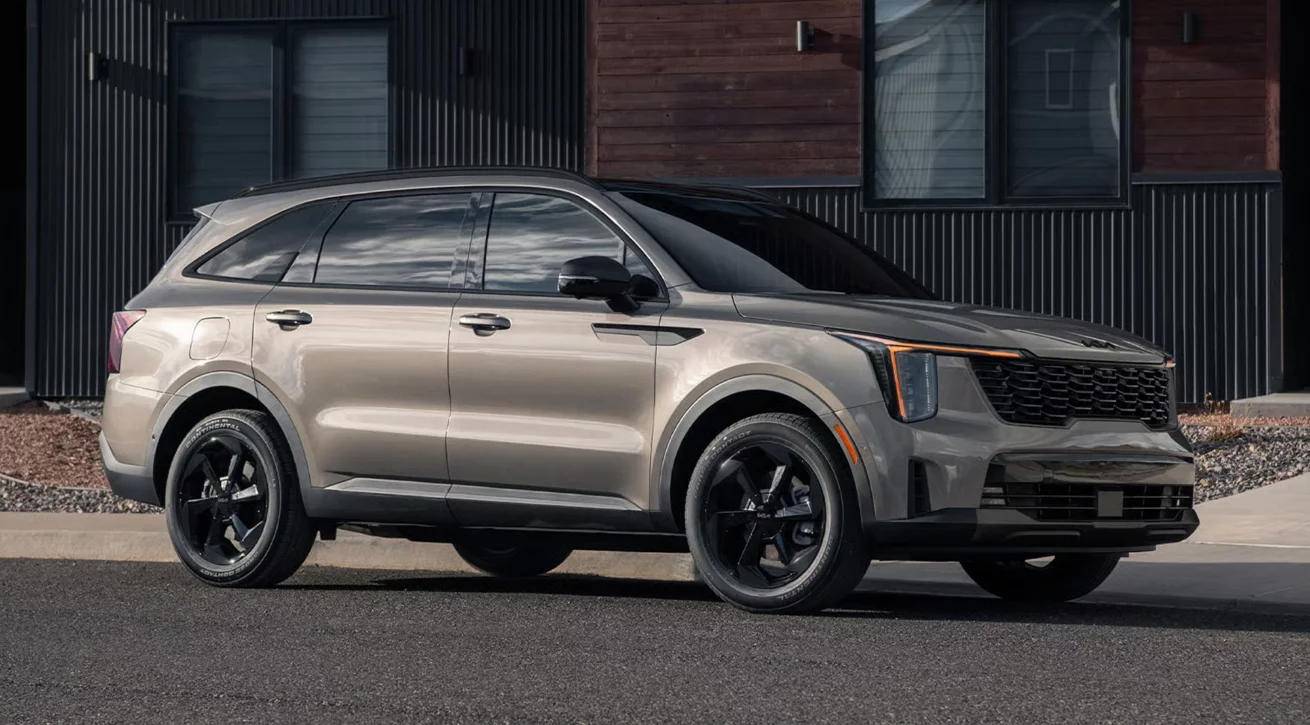
How Hybrid and Plug-In Hybrid Systems Work
Both options pair a gas engine with an electric motor, but the size of the battery makes all the difference in your day-to-day routine.
- Standard Hybrid: Uses a small battery (around 1–2 kWh) that recharges itself while you brake and drive. You never plug it in. The electric motor simply gives the gas engine a boost to raise your fuel economy automatically. For example, the Niro Hybrid gets up to an EPA-estimated 53 mpg combined, while the Sportage Hybrid AWD hits 35 mpg combined.
- Plug-In Hybrid (PHEV): Features a much larger battery that you plug into a wall outlet or home charger. This gives you all-electric range before the gas engine ever kicks in. The Sportage PHEV carries a 13.8-kWh battery offering an EPA-estimated 33 miles of pure electric range (83 MPGe). Once that electric charge runs out, it operates like a regular hybrid, still returning roughly 36 mpg combined.
What the Numbers Look Like in Southern Nevada
Local gas and power rates make this comparison pretty interesting. Gas across Las Vegas typically sits near $4.80–$5.00 a gallon, while NV Energy’s residential power rate averages roughly 13.6 cents per kWh. That spread is what makes driving on electricity so attractive.
Assuming 12,000 miles of driving per year, here is how the Sportage lineup compares:
- Gas-Only Sportage (~28 mpg combined): ~$2,100 per year in fuel costs.
- Sportage Hybrid AWD (35 mpg combined): ~$1,680 per year in fuel costs ($420 annual savings).
- Sportage PHEV (33 miles EV range / 36 mpg gas): ~$800–$900 per year in fuel and energy costs (assuming regular home charging).
Note: Federal EV tax credits for new purchases ended after September 30, 2025, meaning savings now depend entirely on your day-to-day fuel and energy costs.
Everyday Driving: Which One Fits Your Routine?
Think about your daily habits to determine which powertrain aligns best with your lifestyle:
- Choose a Standard Hybrid if: You live in an apartment or lack easy home charging setup, you frequently take long highway drives up to Reno, St. George, or SoCal, or you prefer ultimate simplicity—no cables, no charging schedules, just gas and go.
- Choose a Plug-In Hybrid if: You have a garage or driveway where you can install a charger, your daily commute and runaround errands are under 35 miles, or you want to run mostly on electricity during the week while keeping a gas tank ready for long weekend trips.
Nevada's extreme heat is another factor. While both handle desert summers easily, a PHEV’s larger battery allows you to run the cabin A/C on pure electric power while parked—a lifesaver when waiting in school pickup lines in July.
Safety & Tech Built for Valley Traffic
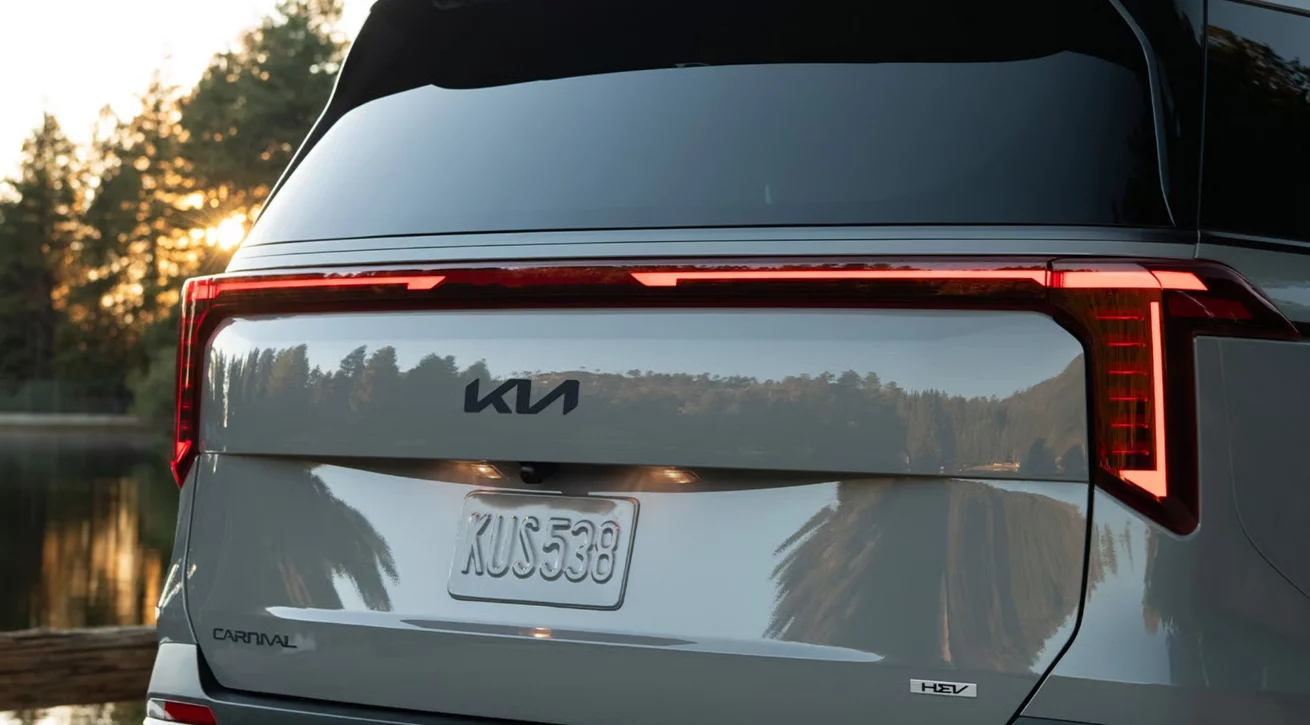
Regardless of which powertrain you select, Kia builds both options with driver-assist technologies designed for local roads:
- Forward Collision-Avoidance Assist: Helps prevent front-end collisions during stop-and-go jams on the 215 Beltway.
- Blind-Spot Collision-Avoidance Assist: Keeps an extra eye on hard-to-see lanes during quick highway lane changes.
- Lane Keeping Assist & Smart Cruise Control: Reduces driver fatigue on straight highway stretches like I-15 toward Mesquite.
- Convenience Tech: Large touchscreens, wireless smartphone connectivity, and programmable cabin charging displays come standard on PHEVs to help you charge during off-peak power hours.